triophase

How to Secure Servers From Cyber Threats: Step-by-Step Guide

In the age of digital transformation, server security is more critical than ever. Cybercriminals are constantly scanning for vulnerabilities—whether on a web server, mail server, or database server. A single breach can cost millions, ruin your organisation’s reputation, or lead to catastrophic data loss. You must view server security as a critical priority, not an afterthought. Whether you manage cloud-based infrastructure or an on-premise data centre, the core principles remain the same. Your server is a valuable target, and it is your responsibility to protect it.
Read more

Puppeteer Tutorial for Beginners: How to Automate Browsers with Node.js

In today’s fast-moving digital world, you face websites that are more interactive, more complex, and more data-rich than ever before. To truly master the web, you must go beyond clicking and typing—you need the ability to automate. This is where Puppeteer becomes your powerful ally. Developed by the Chrome team, Puppeteer gives you full programmatic control over the browser using Node.js, enabling you to perform tasks like web scraping, UI testing, and performance auditing with ease and precision. Whether you’re a curious beginner or switching from tools like Selenium, Puppeteer offers a more modern, stable, and developer-friendly experience.

Read more

Monitoring vs. Managing: What’s the Difference in Infrastructure?

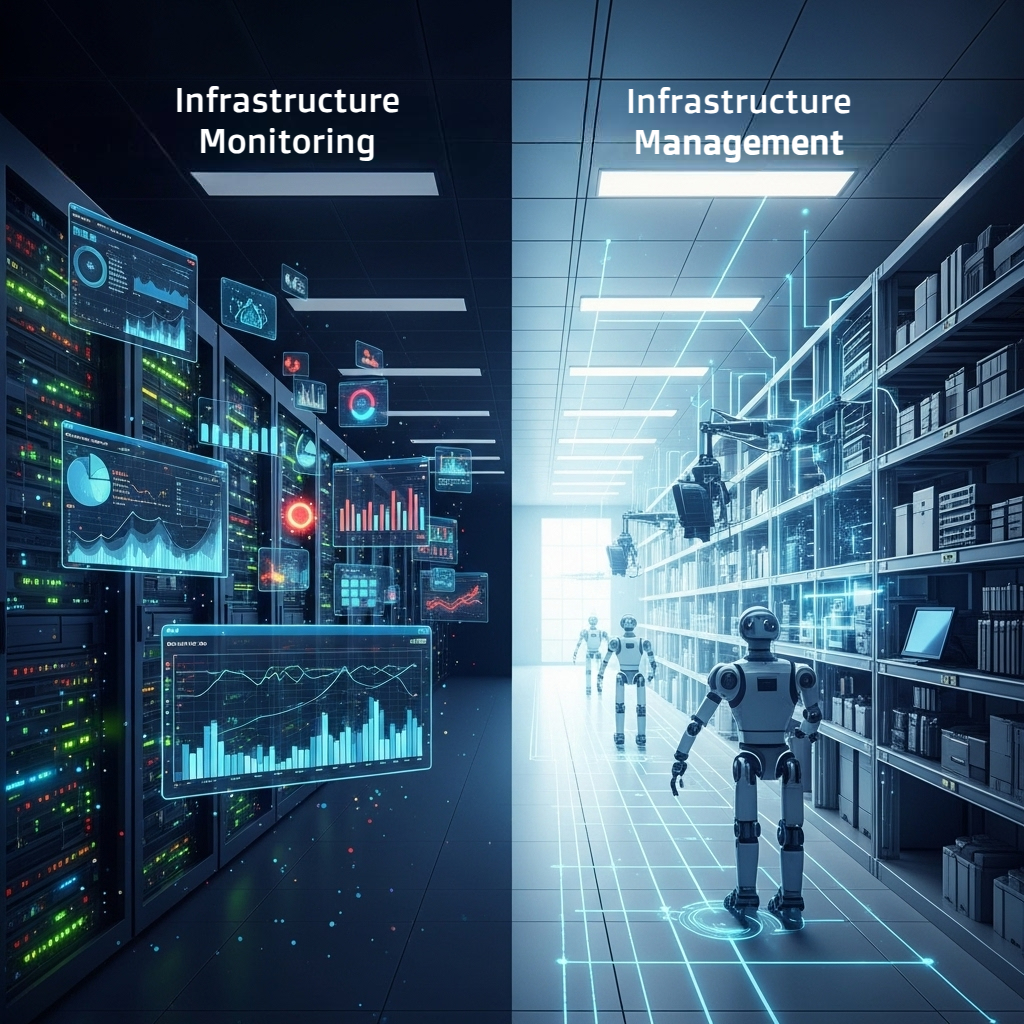
In today’s world dominated by cloud computing, DevOps, and microservices, maintaining an efficient and resilient IT infrastructure has become increasingly complex. Two fundamental concepts you must understand in this environment are monitoring and management. Although these terms are often used interchangeably, they represent distinct but complementary practices. Monitoring involves continuously observing your systems to gather data on their health, performance, and security. In contrast, management focuses on controlling, configuring, and optimizing these systems based on the insights provided by monitoring. Both are critical for ensuring your infrastructure remains available, high-performing, and secure.

Read more

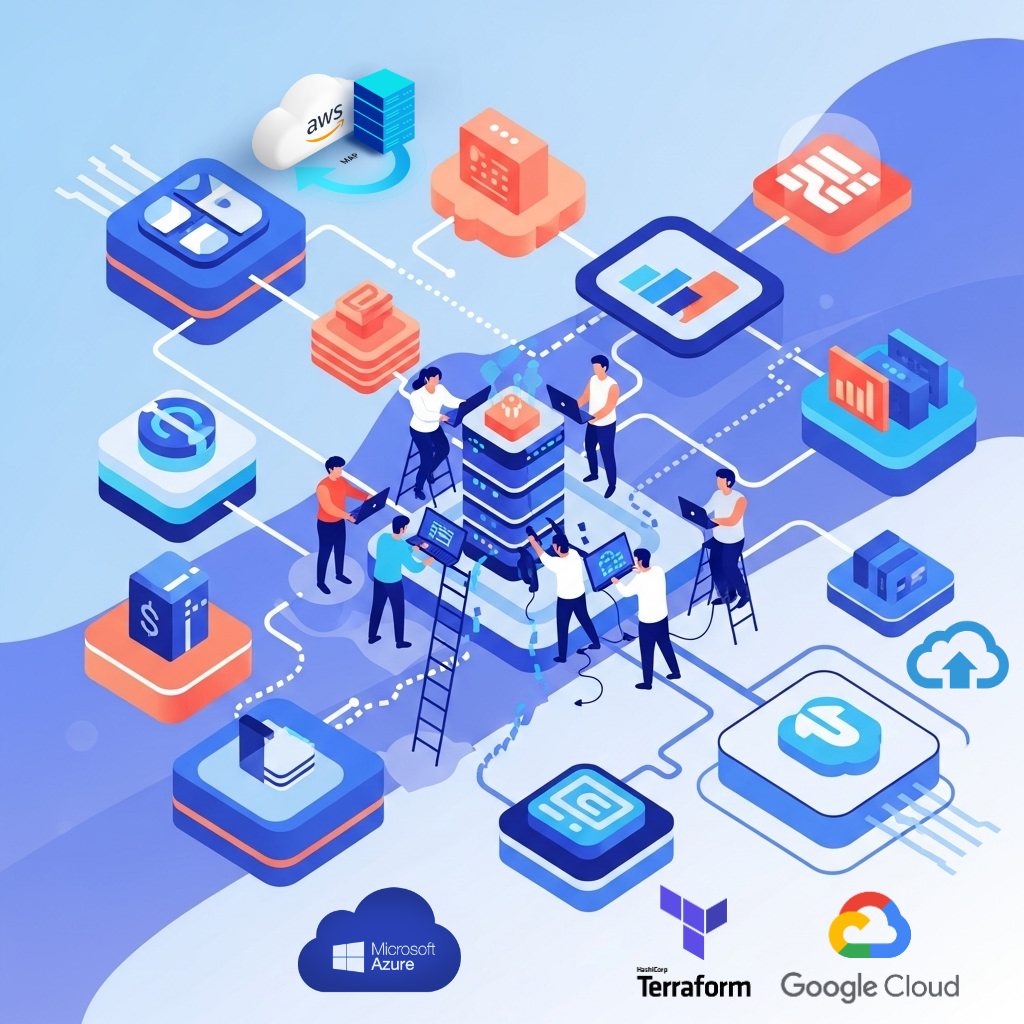
How A Dev Team Built a Multi-Cloud Migration Tool from Scratch

Cloud computing has evolved from a luxury to an absolute necessity in today’s fast-paced digital world. As your organisation grows, relying on a single cloud provider can quickly become a constraint, limiting your flexibility, negotiating power, and overall resilience. You might find yourself locked into one ecosystem, unable to adapt swiftly to changing demands or optimise costs effectively.

Read more

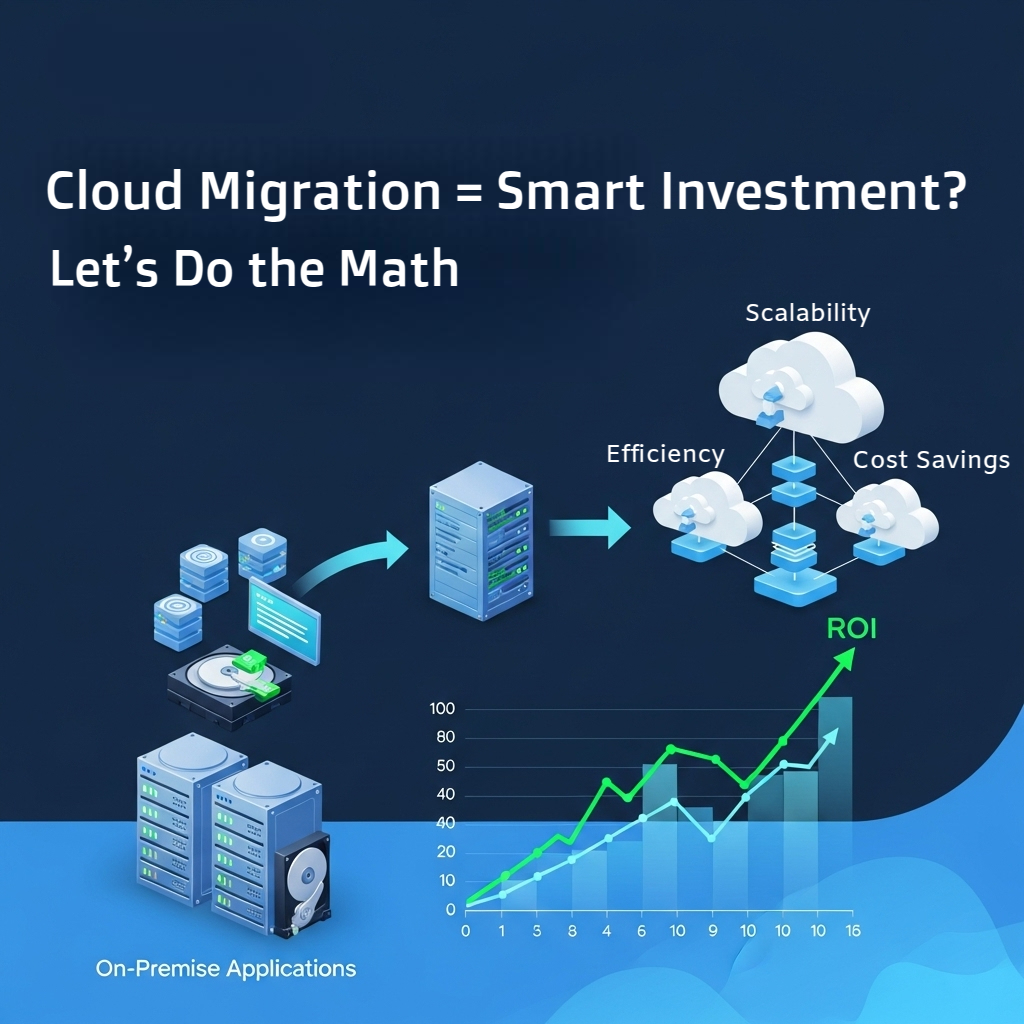
Cloud Migration: How to Measure Your Return on Investment

When you migrate to the cloud, you move your digital assets—like data, applications, and IT workflows—from on-premises servers to a cloud environment. This shift enables you to benefit from scalability, flexibility, cost savings, and enhanced system performance. You can deploy resources faster, scale operations as needed, and support innovation with greater agility, without being limited by physical hardware.

Read more

Securing Your Server Network: Best Practices and Tools

In today’s digital world, you can’t afford to leave your server network unprotected. Cyber threats are getting smarter, faster, and more dangerous every day. Hackers don’t care if you’re a student, a small business owner, or a pro developer—if they find a weakness, they’ll exploit it. That’s why securing your server isn’t just a good idea—it’s a must.

Read more

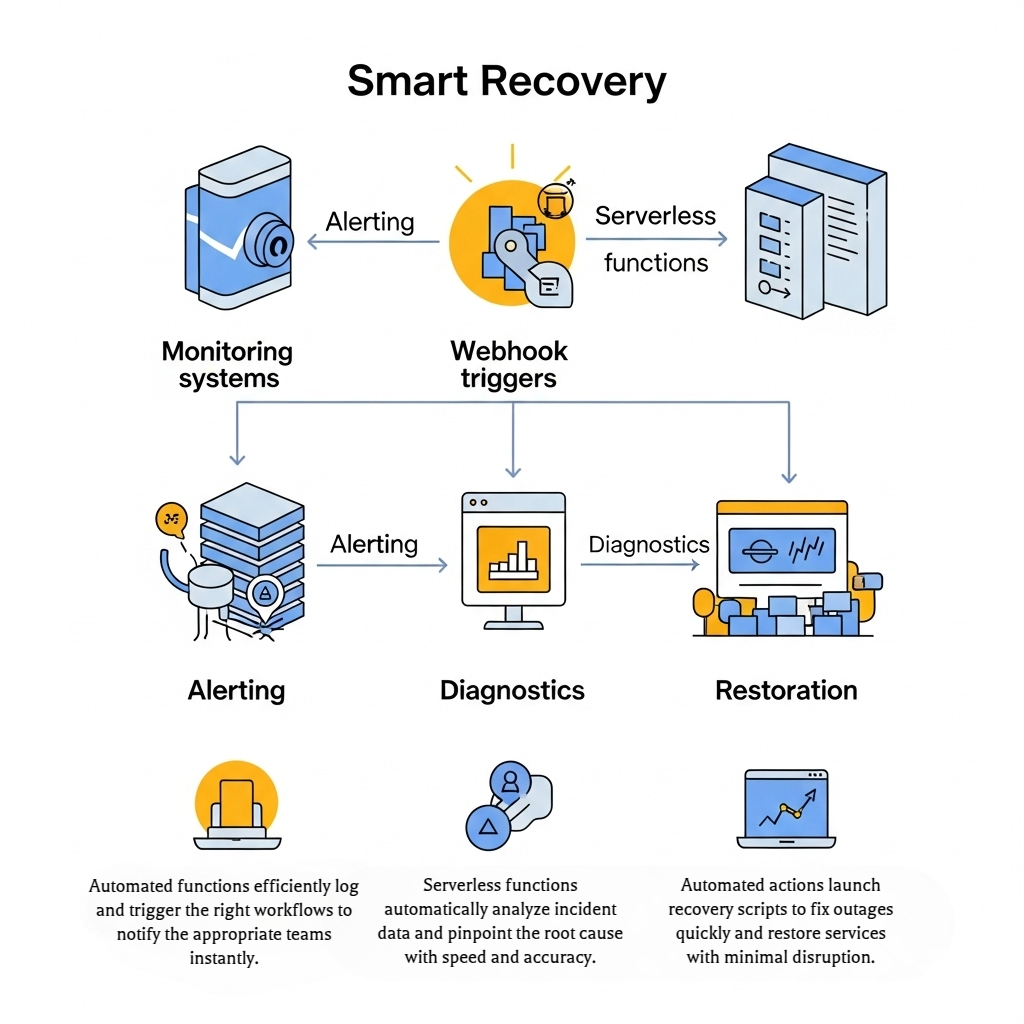
Smart Recovery: How Webhooks and Serverless Functions Automate Outage Response

In today’s always-on digital world, you can’t afford downtime. Even a few minutes of your app going offline can cost thousands of dollars, frustrate users, and hurt your reputation. In fact, one hour of downtime could cost over $300,000 (approx)—and that’s just the beginning. If you’re still relying on manual monitoring, slow alerts, and human fixes, you’re already falling behind.

Read more

CI/CD in Mobile App Development: What You Need to Know

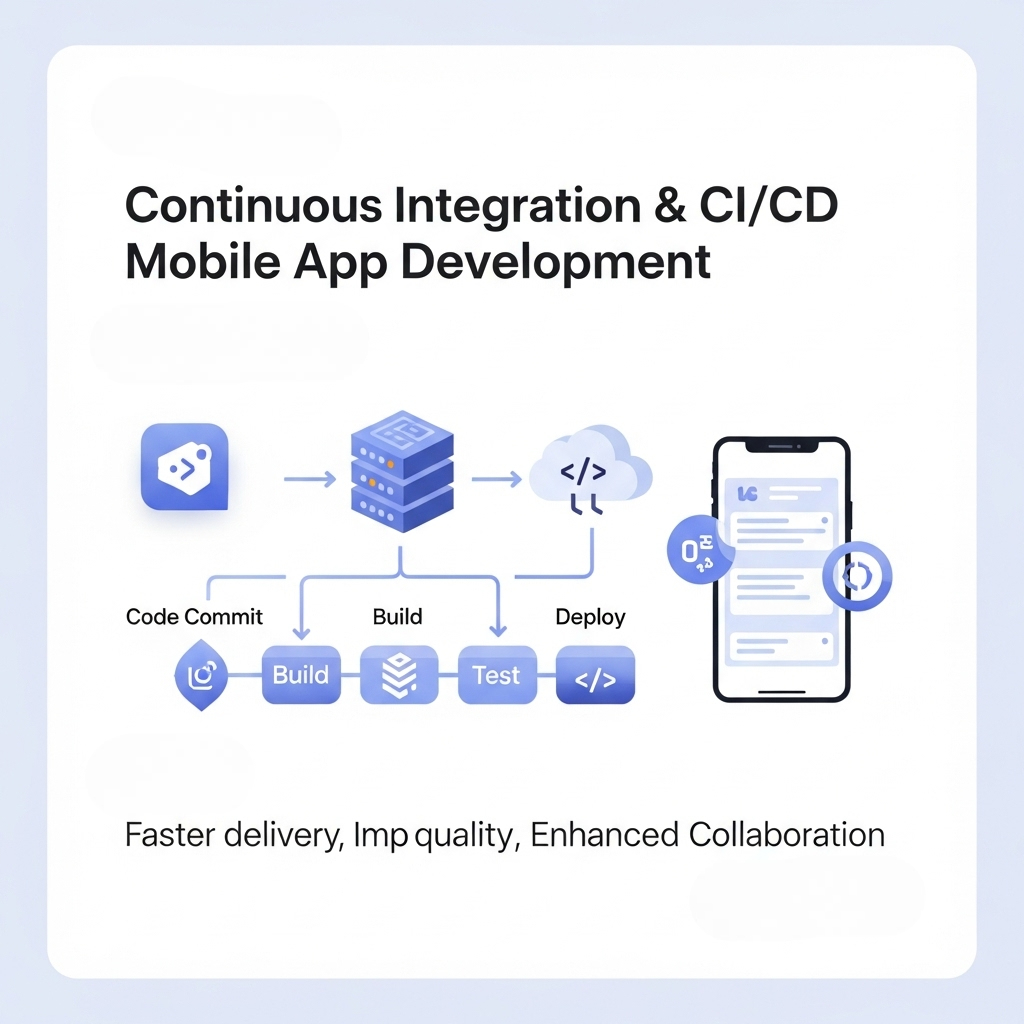
You live in a world where over 5.5 billion people use mobile apps—every day, everywhere. Whether it’s social media, banking, shopping, or gaming, the demand for fast, reliable, and bug-free apps is skyrocketing. If you’re building mobile apps, you’re not just writing code—you’re competing in a race where speed, quality, and user experience decide who wins. This is where CI/CD (Continuous Integration and Continuous Delivery/Deployment) becomes your secret weapon. Instead of doing everything manually, you use automation to build, test, and ship your app—faster, smarter, and with fewer errors. CI/CD helps you spot bugs early, release updates quickly, and collaborate better with your team.

Read more